Complete History of Père Lachaise
From a new cemetery on a hill to a city of memory — artists, rebels, lovers, and families sharing ground beneath trees.
Table of Contents
Origins, Naming & Early Years
Père Lachaise took its name from Père François de La Chaise, Jesuit confessor to Louis XIV, who lived on the hill where the cemetery would later rise. In 1804, amid health concerns and urban reforms, Paris created new cemeteries beyond the dense center — spacious, leafy, and more hygienic. The eastern hill offered air and distance, and the city entrusted a design that felt both orderly and humane, more garden than grim necessity.
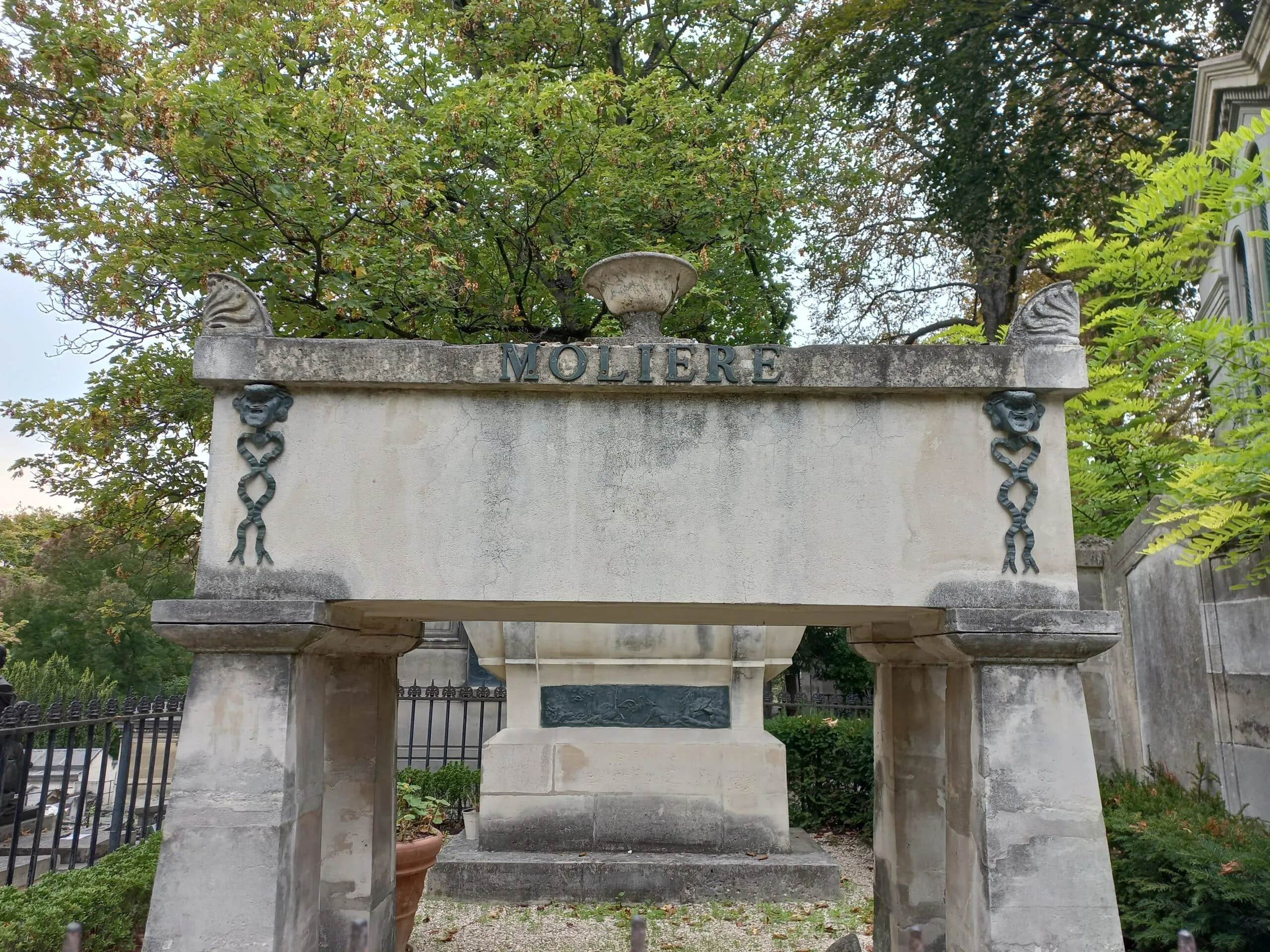
At first it was quiet. Parisians were hesitant to leave traditional parish grounds. Then, in a gesture both practical and theatrical, the city reinterred cherished figures — Molière and La Fontaine among them — signaling that this new place could hold not only bodies but affection. Reputation grew tree by tree, path by path, and Père Lachaise became the cemetery Parisians learned to love.
Planning, Layout & Expansion
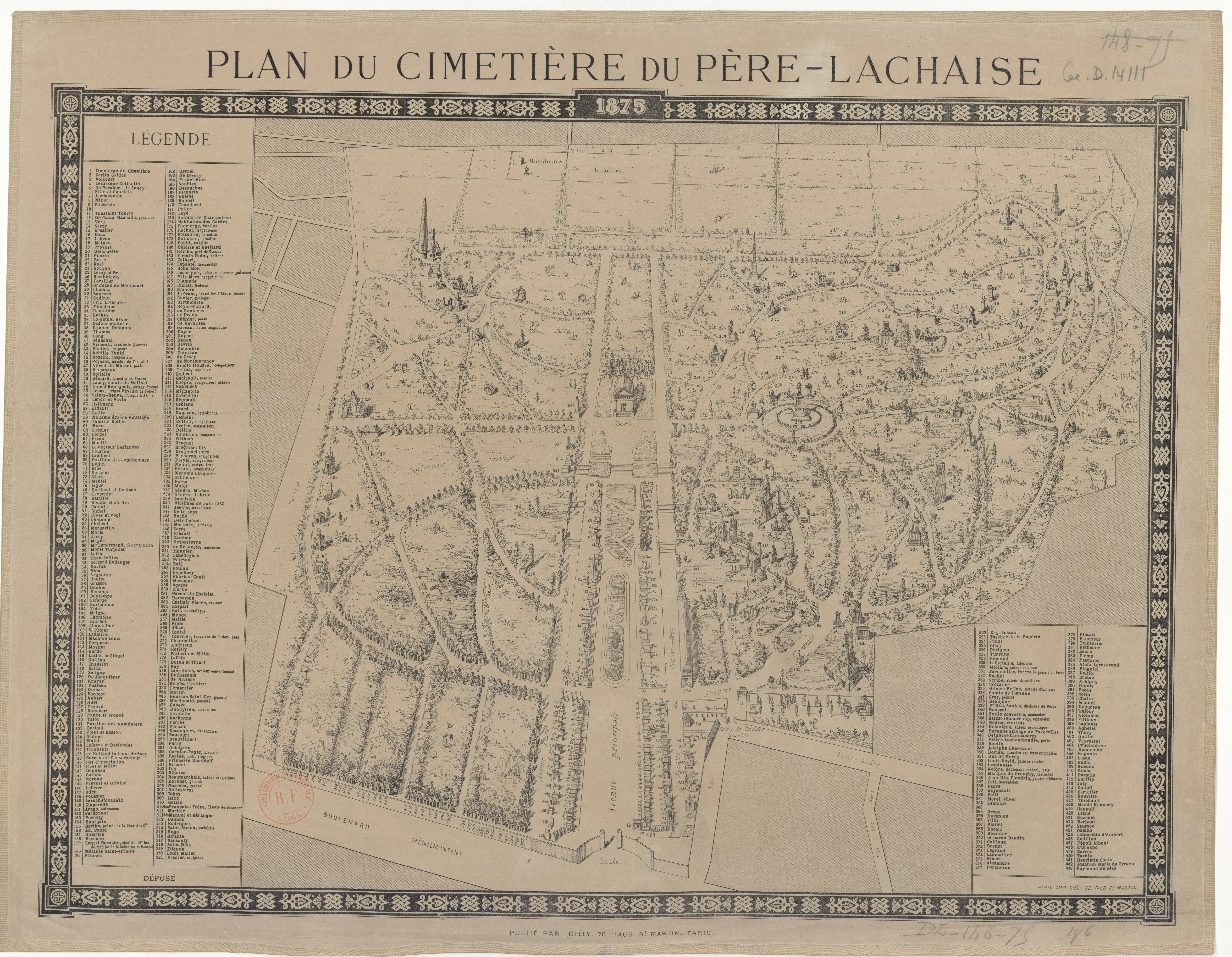
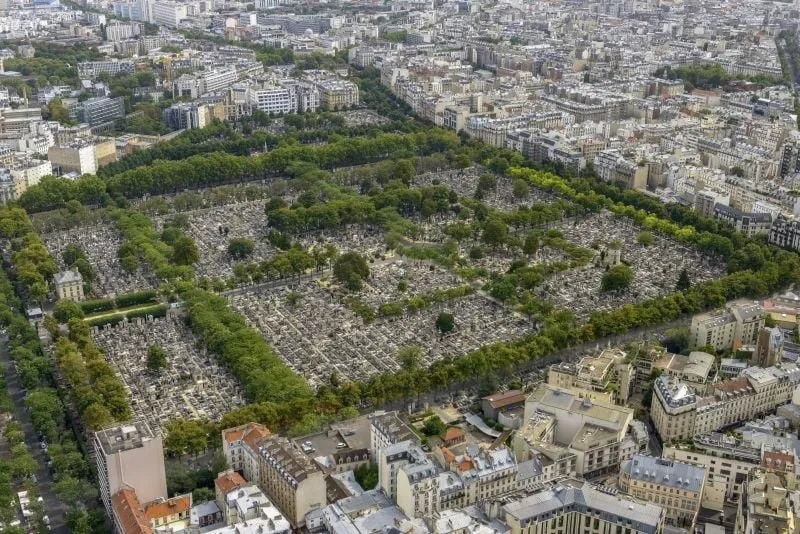
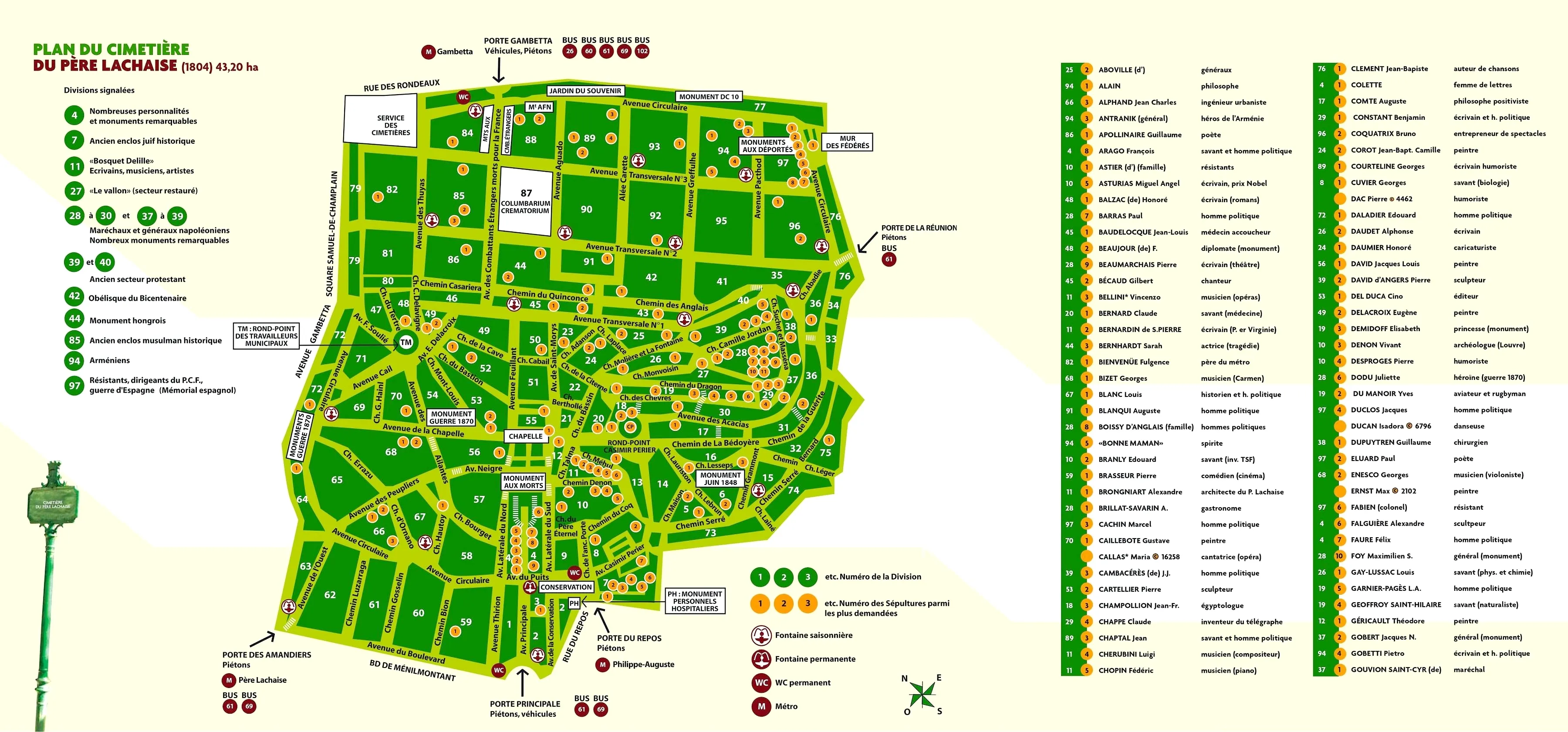
The plan embraced terraces, axial paths, and grid-like divisions softened by trees. Main avenues carry you through broad, civic gestures; smaller alleys invite intimacy with stone angels and porcelain portraits. Gates opened over time, and the cemetery grew with Paris’s population. Older zones feel like a novel — mossy, intricate — while newer sections offer clarity and space.
Careful expansion balanced utility with mood: drainage, plantings, retaining walls, and access routes for mourners and workers. The cemetery became a craft in itself: pruning, masonry, inscriptions, and the choreography of funerals and maintenance. Each generation added layers without losing the calm that makes Père Lachaise feel both public and personal.
Design, Sculpture & Symbolism
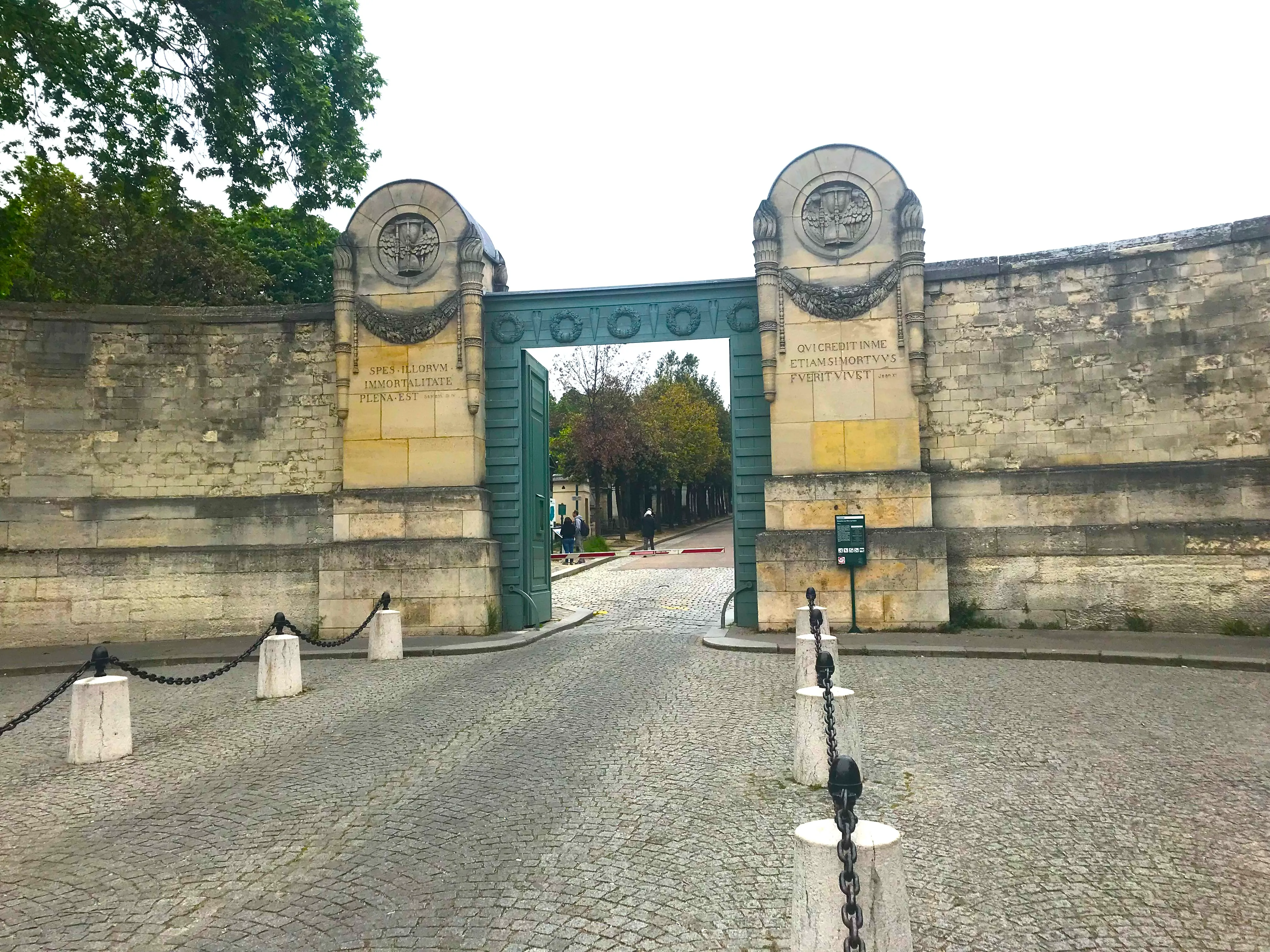
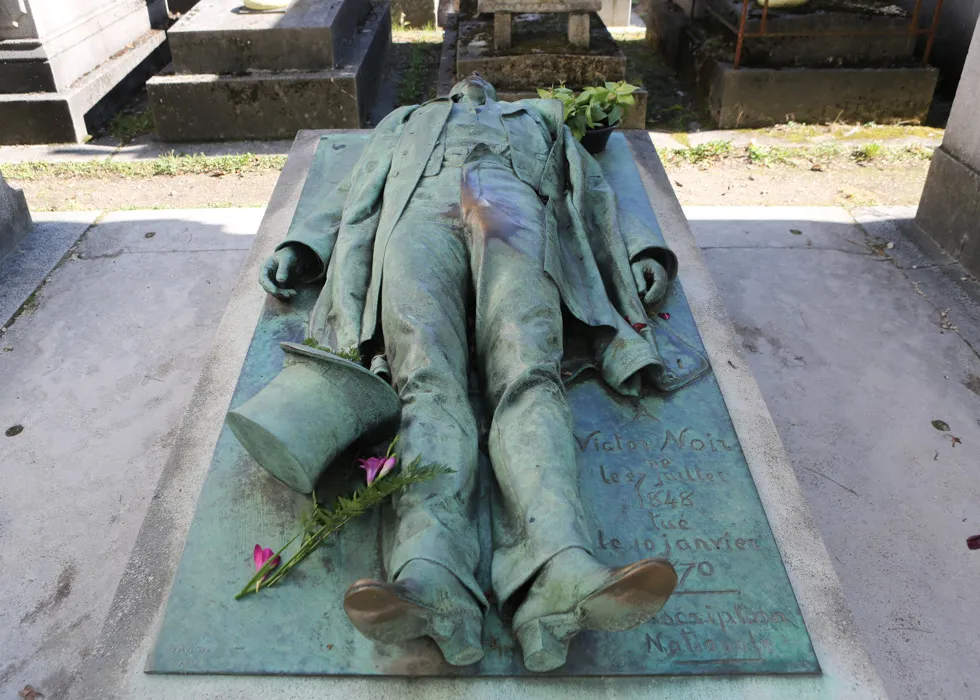
Père Lachaise is a museum without walls. Angels sheltering urns, allegories of grief and hope, Art Nouveau gates twining like vines, and minimalist slabs that whisper more by saying less. Symbolism abounds: broken columns for lives cut short, laurel and lyres for poets and composers, hands clasped across time.
Names become architecture: bronze portraits, reliefs, glass mosaics, and a language of endurance in marble and slate. The variety is Paris itself — grand families and modest stones, avant-garde gestures and perfectly traditional grace — all sharing ground under plane trees and chestnuts.
Famous Burials & Pilgrimage
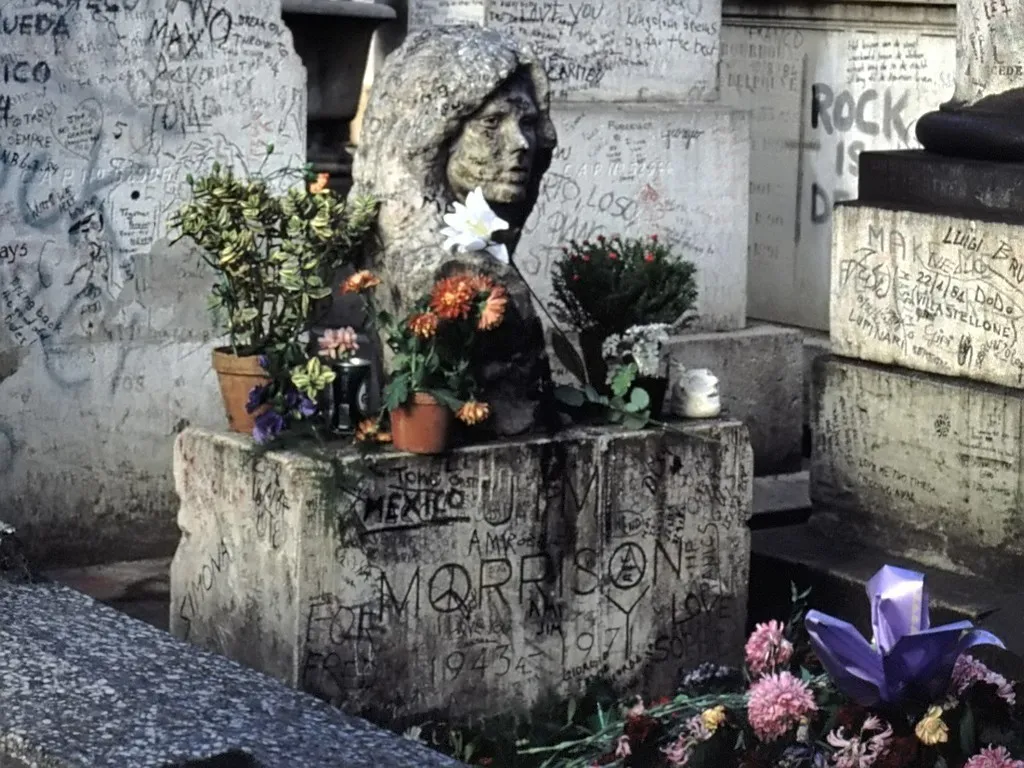
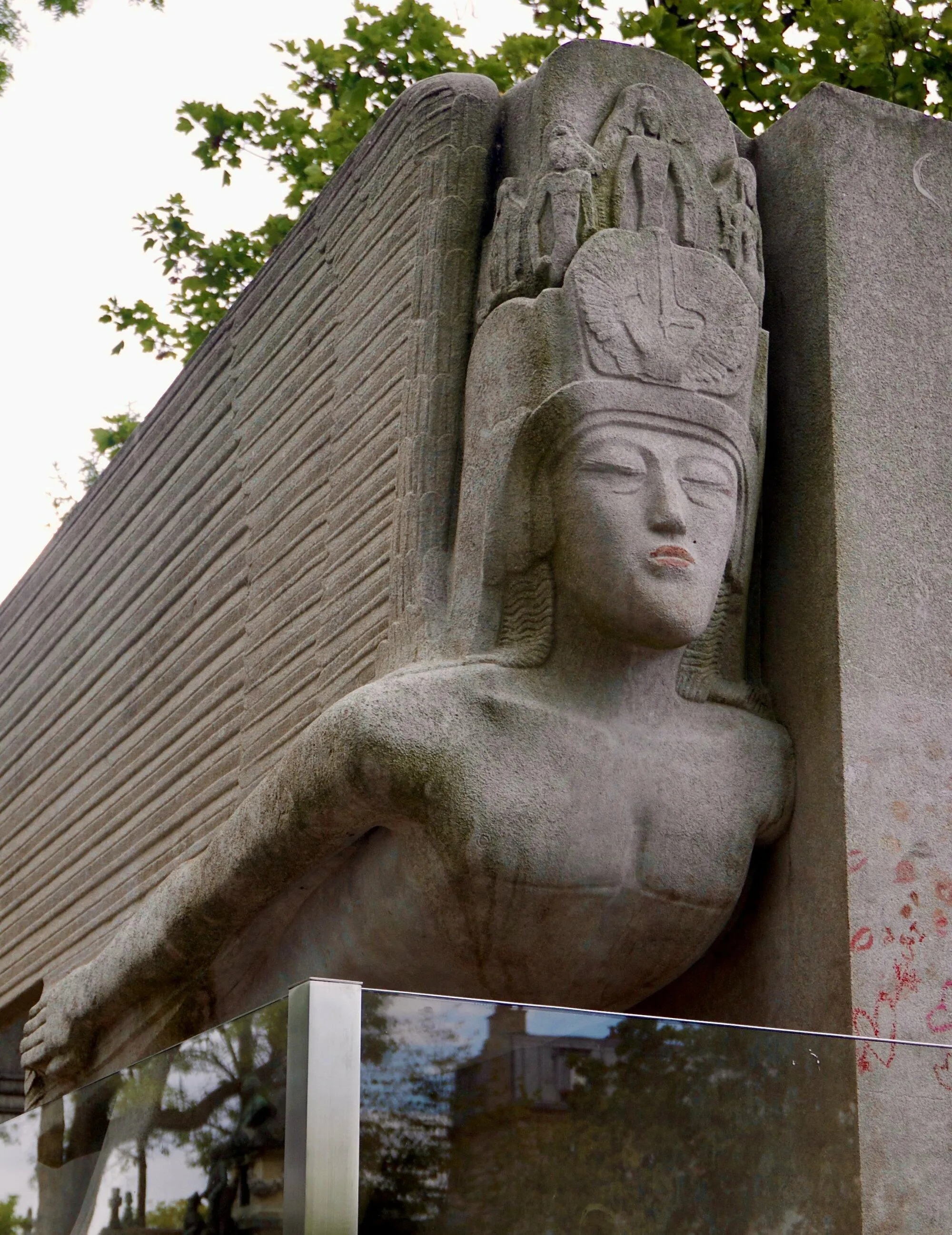
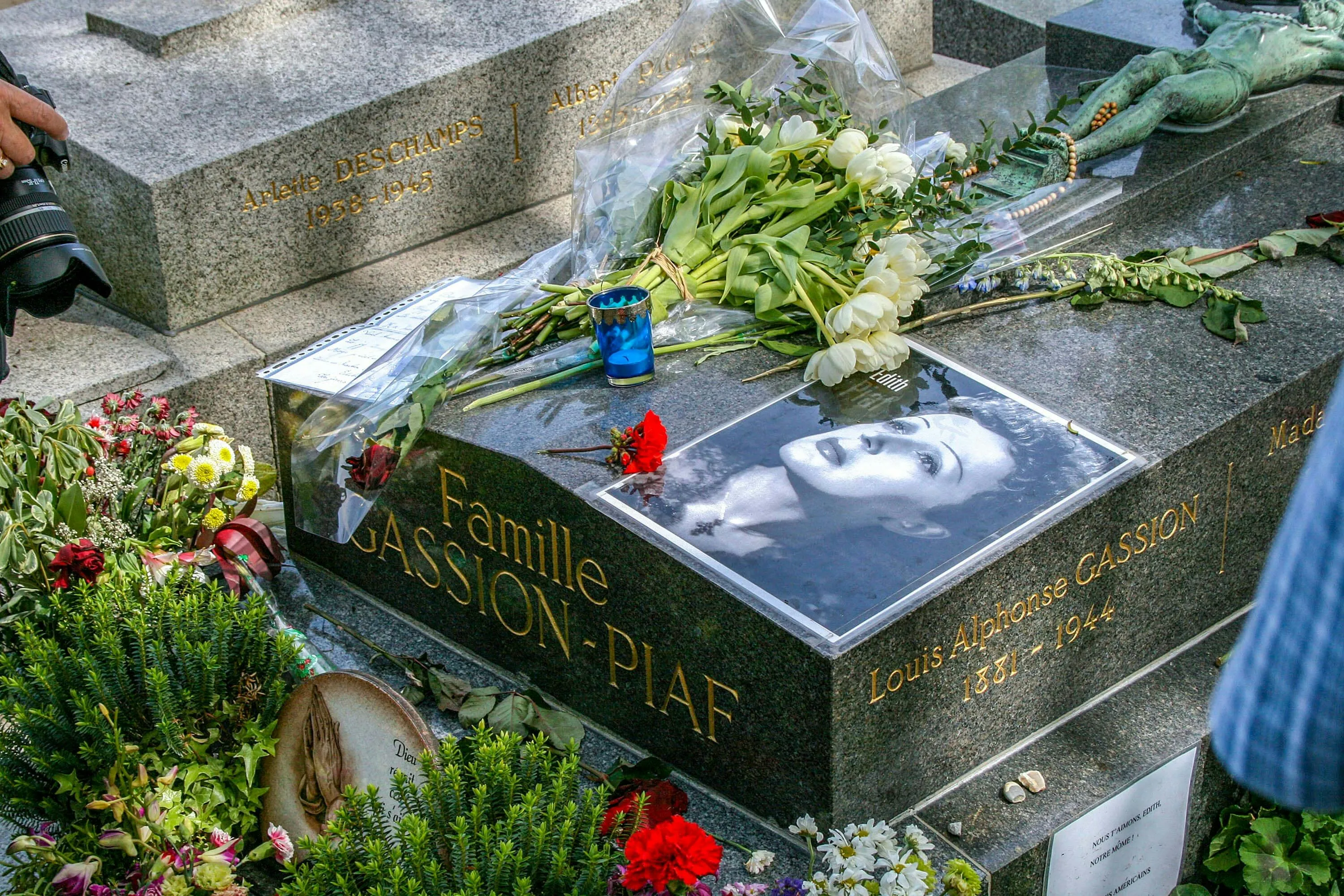
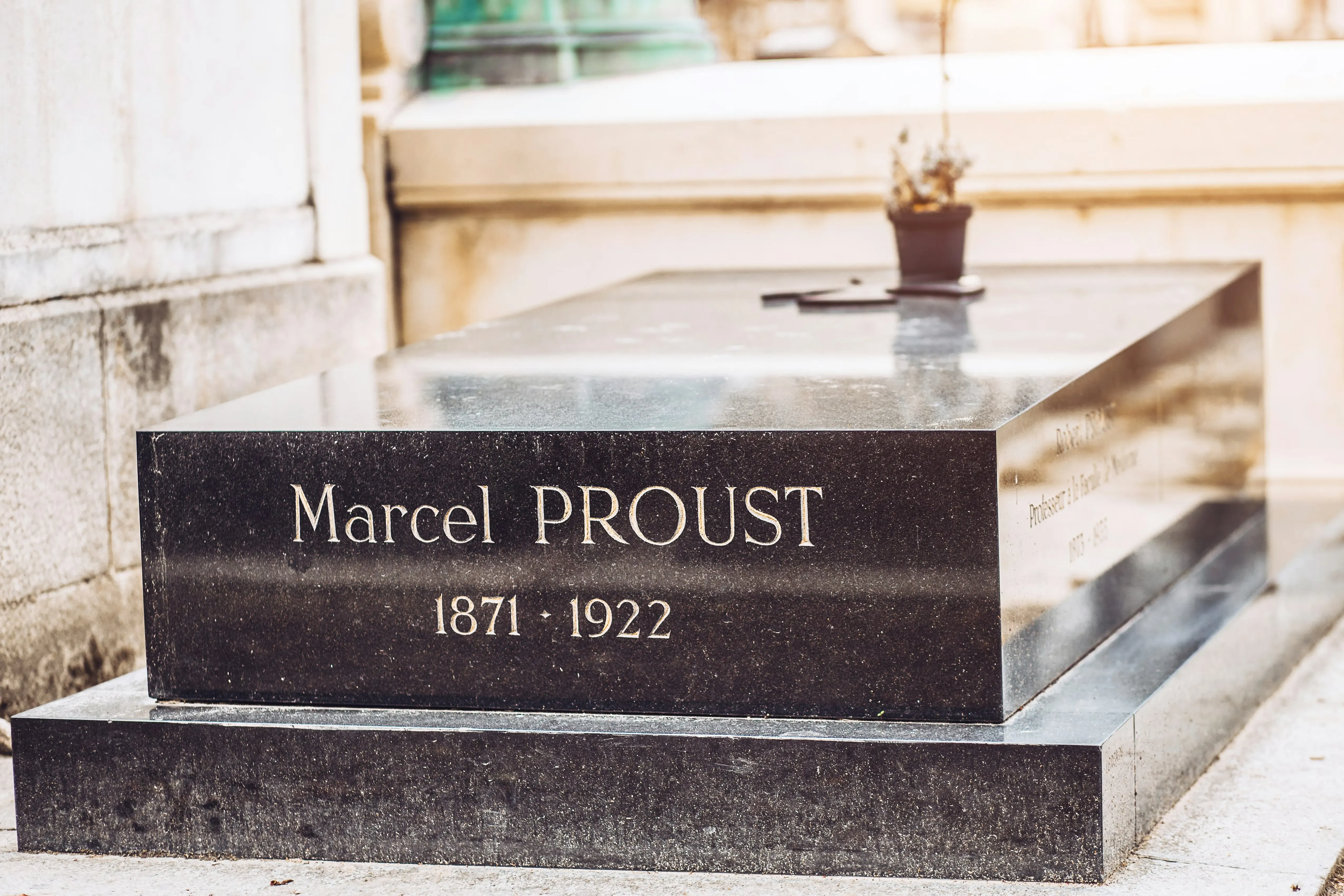
Pilgrimage here is diverse and gentle: lovers at Abelard and Héloïse, music fans at Jim Morrison, readers at Proust, admirers of wit at Oscar Wilde, and countless quiet tributes to lives known only to families and friends. Flowers, notes, and moments of silence make the cemetery feel conversational.
Each grave is a small lesson in memory — how we choose to be seen, what we ask of those who come after. Some are ornate, others humble; together they form a city of voices that Paris keeps safe.
Reburials, Popularity & City Life
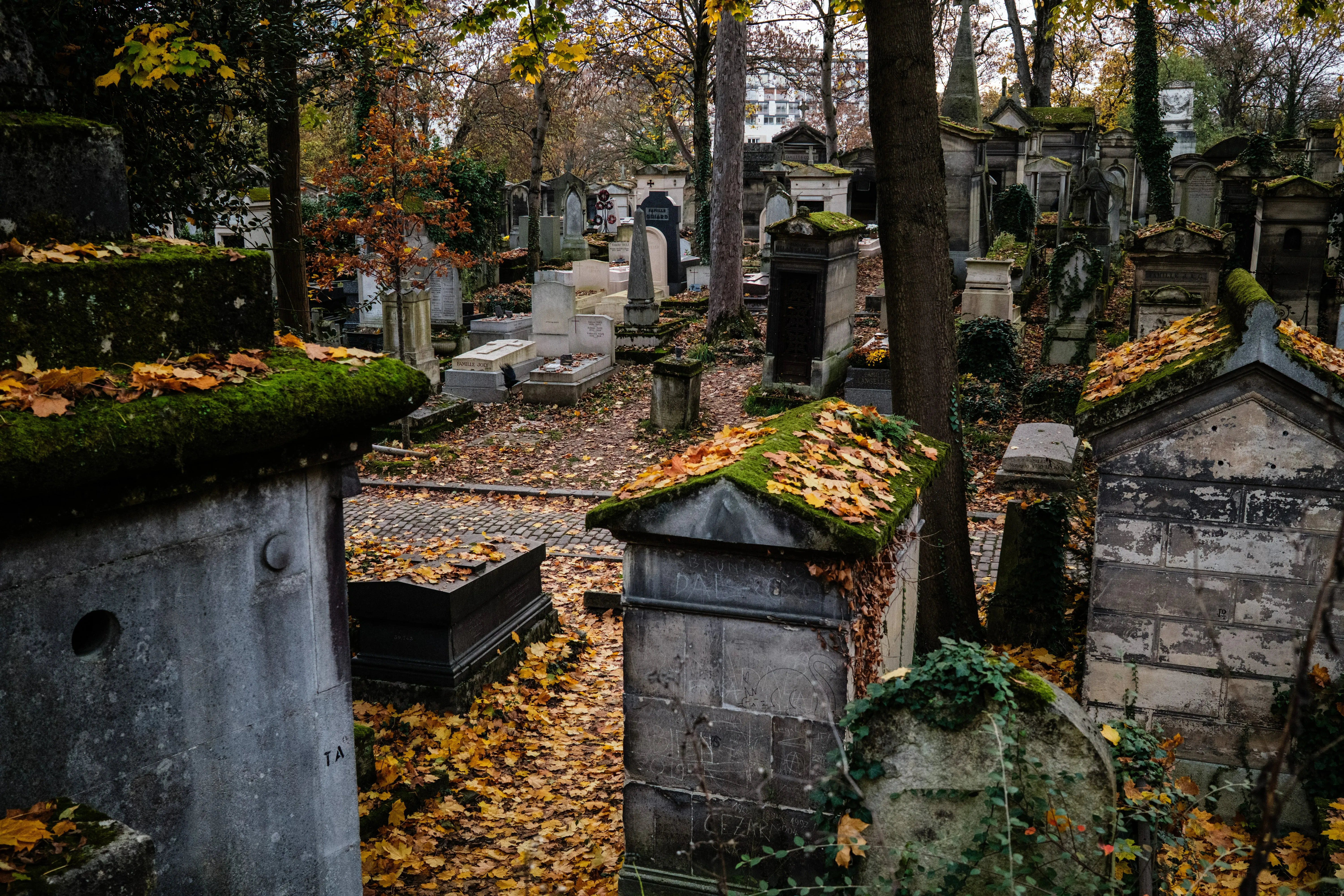
Moving the remains of beloved writers and poets helped persuade Parisians that Père Lachaise was not exile but honor. Over the 19th century, funerals became civic events, and the cemetery absorbed the rhythms of a growing metropolis — carriages giving way to hearses, handwritten notices to printed programs.
Popularity brought responsibilities: clear paths, updated registers, careful maintenance, and a balance between visitors and mourners. The cemetery became a shared civic space where grief is private and history is public, and both are treated with respect.
Politics, Memory & the Communards
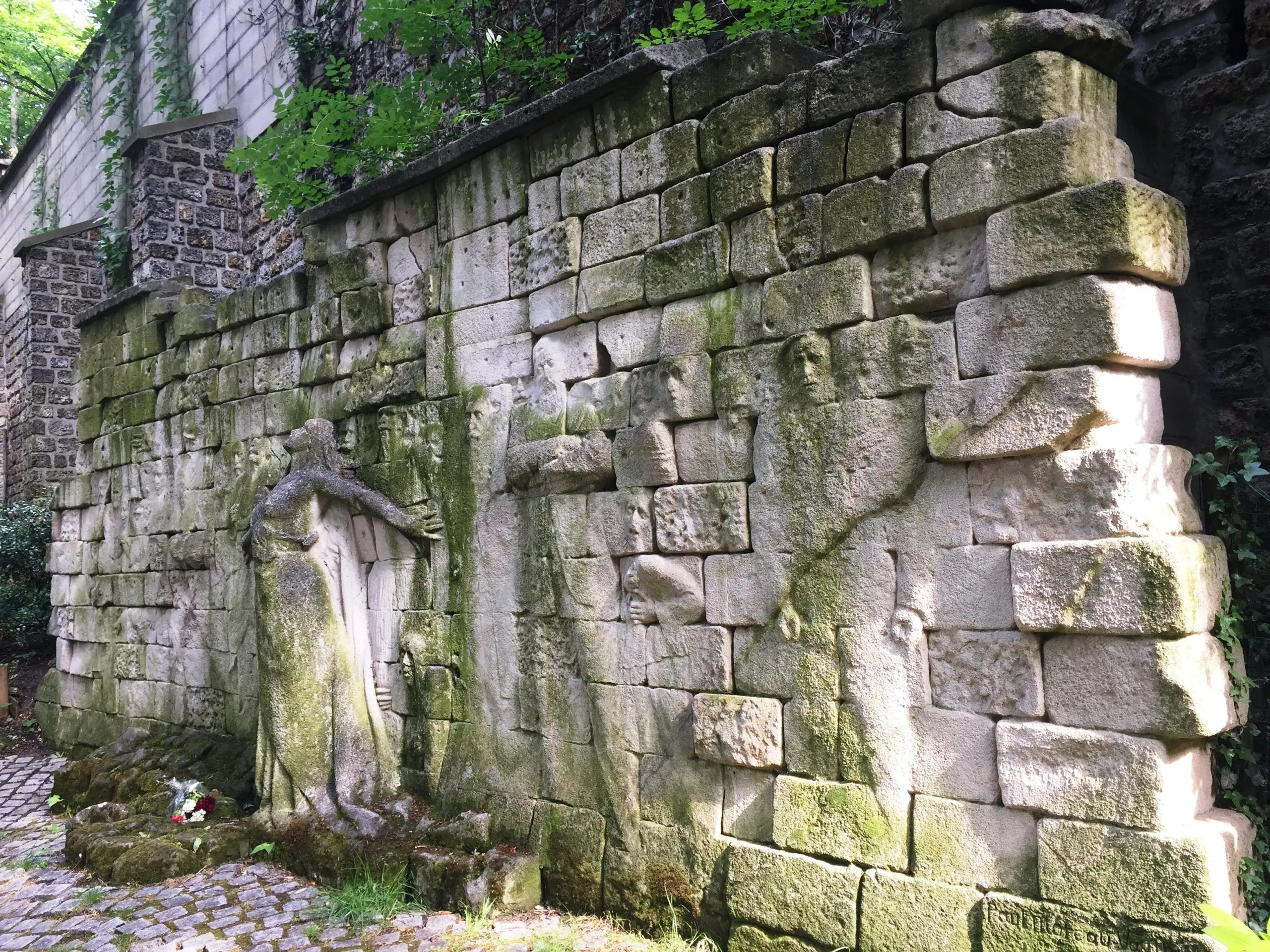
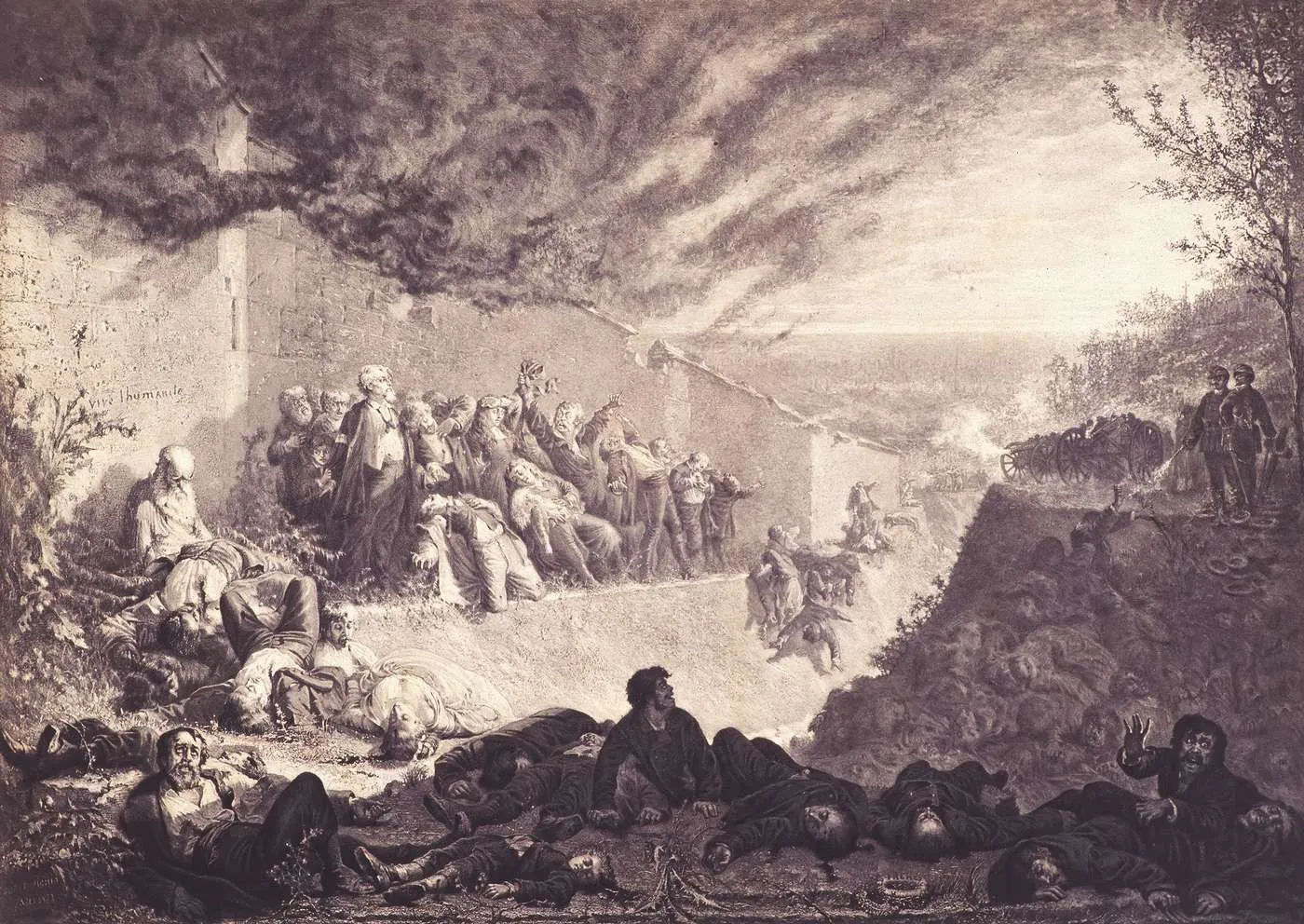
In May 1871, the Paris Commune’s final battles reached Père Lachaise. At the Mur des Fédérés, 147 Communards were executed, and the wall became a site of remembrance for labor movements, political struggle, and the complicated love between Paris and its revolutions.
Wreaths, plaques, and annual gatherings keep the wall alive as a symbol of hope and warning — an invitation to reflect on justice, solidarity, and the city’s long memory.
Memorials to Deportees & Resistants
Père Lachaise collects national memory with care: monuments to deportees of the Holocaust, resistants of World War II, and victims of persecution and violence. These spaces ask for quiet and attention — names, dates, and shapes that teach sorrow and solidarity.
The cemetery hosts ceremonies and private gestures alike. A pebble on a stone, a ribbon on a wreath, a whispered promise to remember — these acts shape how Paris holds its past.
Wars, Upheaval & 20th Century
The 20th century layered the cemetery with history: new memorials, evolving burial practices, and renewed attention to collective grief. World wars left scars and responsibilities, and Paris responded with monuments and protocols that respect diverse communities.
Stewardship improved signage, records, and conservation, helping visitors understand the cemetery not only as a destination but as a living institution of care.
Père Lachaise in Popular Culture
From guidebooks to documentaries, the cemetery appears wherever Paris is imagined as a tapestry of lives. Fans of The Doors make pilgrimages, readers trace literary circuits, and quiet travelers discover their own routes among statues and shadows.
Images of the cemetery travel widely — ivy, angels, porcelain portraits, and the poignant discipline of names in rows. Its fame is both public and personal, the kind that lingers after you leave.
Visiting Traditions & Etiquette
Père Lachaise asks for a gentle presence: keep voices low, stay on paths, and avoid touching monuments. Photography is welcomed without flash; funerals have priority. Flowers and notes are common at certain graves — a quiet way to say thank you.
Maps and themed routes make visits smoother. Wear comfortable shoes, bring water, and allow yourself to get pleasantly lost before finding your way again. The cemetery is not a checklist but a conversation.
Care, Conservation & Stewardship
Stewardship at Père Lachaise is a daily craft: pruning trees, repairing stones, renewing paths, and updating records. Conservation teams balance access with protection, keeping delicate sculptures safe while welcoming visitors.
Research and training support resilient care: documenting materials, studying weathering, and honoring families’ wishes. The cemetery’s goal is tenderness over time — a place kept with patience and dignity.
Nearby Paris Landmarks
Stroll to the lively streets of Ménilmontant and Belleville, explore the Parc de Belleville for city views, or pair your visit with the Père Lachaise neighborhood’s cafés and small galleries.
Head back toward central Paris for the Marais, Bastille, and the Seine’s islands — connecting a day of remembrance with the city’s everyday rhythm.
Cultural & National Significance
Père Lachaise is Paris’s conscience in stone — a civic archive of love and loss, art and politics, tenderness and bravery. It gathers the city’s voices into one landscape and asks visitors to listen.
As a living cemetery and cherished destination, it offers a rare mix of privacy and shared heritage. The lesson is simple and deep: memory is a practice, and Paris keeps it with care.
Table of Contents
Origins, Naming & Early Years
Père Lachaise took its name from Père François de La Chaise, Jesuit confessor to Louis XIV, who lived on the hill where the cemetery would later rise. In 1804, amid health concerns and urban reforms, Paris created new cemeteries beyond the dense center — spacious, leafy, and more hygienic. The eastern hill offered air and distance, and the city entrusted a design that felt both orderly and humane, more garden than grim necessity.
At first it was quiet. Parisians were hesitant to leave traditional parish grounds. Then, in a gesture both practical and theatrical, the city reinterred cherished figures — Molière and La Fontaine among them — signaling that this new place could hold not only bodies but affection. Reputation grew tree by tree, path by path, and Père Lachaise became the cemetery Parisians learned to love.
Planning, Layout & Expansion
The plan embraced terraces, axial paths, and grid-like divisions softened by trees. Main avenues carry you through broad, civic gestures; smaller alleys invite intimacy with stone angels and porcelain portraits. Gates opened over time, and the cemetery grew with Paris’s population. Older zones feel like a novel — mossy, intricate — while newer sections offer clarity and space.
Careful expansion balanced utility with mood: drainage, plantings, retaining walls, and access routes for mourners and workers. The cemetery became a craft in itself: pruning, masonry, inscriptions, and the choreography of funerals and maintenance. Each generation added layers without losing the calm that makes Père Lachaise feel both public and personal.
Design, Sculpture & Symbolism
Père Lachaise is a museum without walls. Angels sheltering urns, allegories of grief and hope, Art Nouveau gates twining like vines, and minimalist slabs that whisper more by saying less. Symbolism abounds: broken columns for lives cut short, laurel and lyres for poets and composers, hands clasped across time.
Names become architecture: bronze portraits, reliefs, glass mosaics, and a language of endurance in marble and slate. The variety is Paris itself — grand families and modest stones, avant-garde gestures and perfectly traditional grace — all sharing ground under plane trees and chestnuts.
Famous Burials & Pilgrimage
Pilgrimage here is diverse and gentle: lovers at Abelard and Héloïse, music fans at Jim Morrison, readers at Proust, admirers of wit at Oscar Wilde, and countless quiet tributes to lives known only to families and friends. Flowers, notes, and moments of silence make the cemetery feel conversational.
Each grave is a small lesson in memory — how we choose to be seen, what we ask of those who come after. Some are ornate, others humble; together they form a city of voices that Paris keeps safe.
Reburials, Popularity & City Life
Moving the remains of beloved writers and poets helped persuade Parisians that Père Lachaise was not exile but honor. Over the 19th century, funerals became civic events, and the cemetery absorbed the rhythms of a growing metropolis — carriages giving way to hearses, handwritten notices to printed programs.
Popularity brought responsibilities: clear paths, updated registers, careful maintenance, and a balance between visitors and mourners. The cemetery became a shared civic space where grief is private and history is public, and both are treated with respect.
Politics, Memory & the Communards
In May 1871, the Paris Commune’s final battles reached Père Lachaise. At the Mur des Fédérés, 147 Communards were executed, and the wall became a site of remembrance for labor movements, political struggle, and the complicated love between Paris and its revolutions.
Wreaths, plaques, and annual gatherings keep the wall alive as a symbol of hope and warning — an invitation to reflect on justice, solidarity, and the city’s long memory.
Memorials to Deportees & Resistants
Père Lachaise collects national memory with care: monuments to deportees of the Holocaust, resistants of World War II, and victims of persecution and violence. These spaces ask for quiet and attention — names, dates, and shapes that teach sorrow and solidarity.
The cemetery hosts ceremonies and private gestures alike. A pebble on a stone, a ribbon on a wreath, a whispered promise to remember — these acts shape how Paris holds its past.
Wars, Upheaval & 20th Century
The 20th century layered the cemetery with history: new memorials, evolving burial practices, and renewed attention to collective grief. World wars left scars and responsibilities, and Paris responded with monuments and protocols that respect diverse communities.
Stewardship improved signage, records, and conservation, helping visitors understand the cemetery not only as a destination but as a living institution of care.
Père Lachaise in Popular Culture
From guidebooks to documentaries, the cemetery appears wherever Paris is imagined as a tapestry of lives. Fans of The Doors make pilgrimages, readers trace literary circuits, and quiet travelers discover their own routes among statues and shadows.
Images of the cemetery travel widely — ivy, angels, porcelain portraits, and the poignant discipline of names in rows. Its fame is both public and personal, the kind that lingers after you leave.
Visiting Traditions & Etiquette
Père Lachaise asks for a gentle presence: keep voices low, stay on paths, and avoid touching monuments. Photography is welcomed without flash; funerals have priority. Flowers and notes are common at certain graves — a quiet way to say thank you.
Maps and themed routes make visits smoother. Wear comfortable shoes, bring water, and allow yourself to get pleasantly lost before finding your way again. The cemetery is not a checklist but a conversation.
Care, Conservation & Stewardship
Stewardship at Père Lachaise is a daily craft: pruning trees, repairing stones, renewing paths, and updating records. Conservation teams balance access with protection, keeping delicate sculptures safe while welcoming visitors.
Research and training support resilient care: documenting materials, studying weathering, and honoring families’ wishes. The cemetery’s goal is tenderness over time — a place kept with patience and dignity.
Nearby Paris Landmarks
Stroll to the lively streets of Ménilmontant and Belleville, explore the Parc de Belleville for city views, or pair your visit with the Père Lachaise neighborhood’s cafés and small galleries.
Head back toward central Paris for the Marais, Bastille, and the Seine’s islands — connecting a day of remembrance with the city’s everyday rhythm.
Cultural & National Significance
Père Lachaise is Paris’s conscience in stone — a civic archive of love and loss, art and politics, tenderness and bravery. It gathers the city’s voices into one landscape and asks visitors to listen.
As a living cemetery and cherished destination, it offers a rare mix of privacy and shared heritage. The lesson is simple and deep: memory is a practice, and Paris keeps it with care.