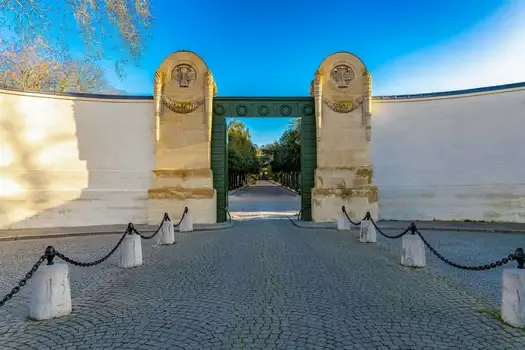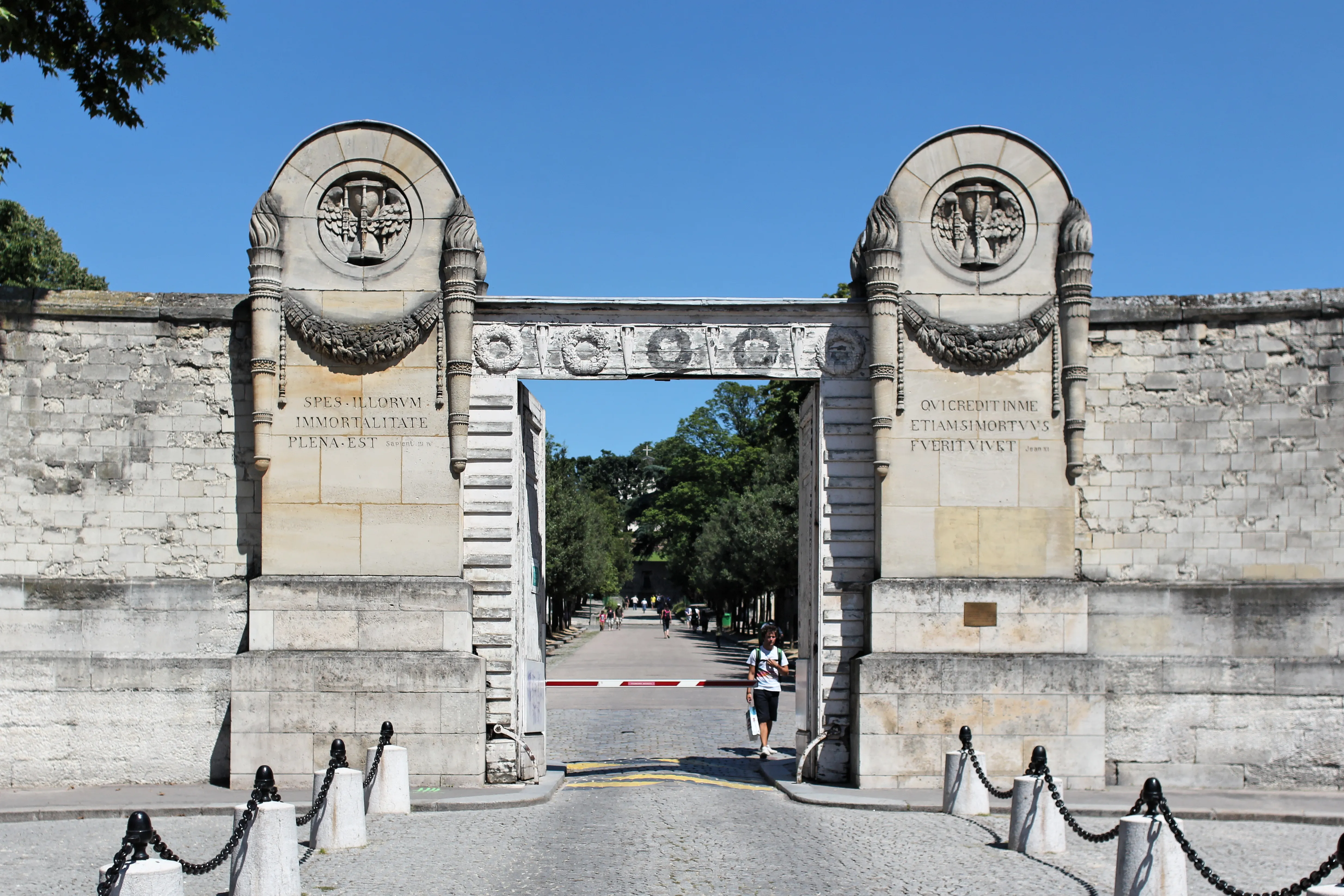
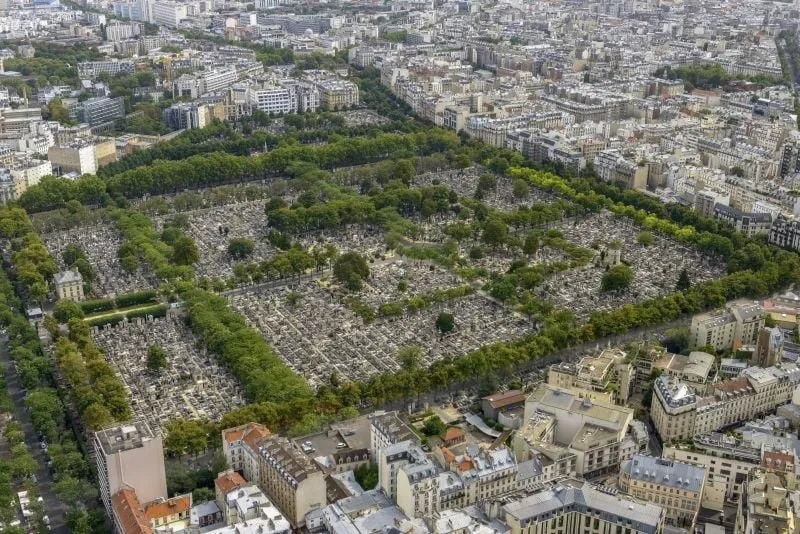
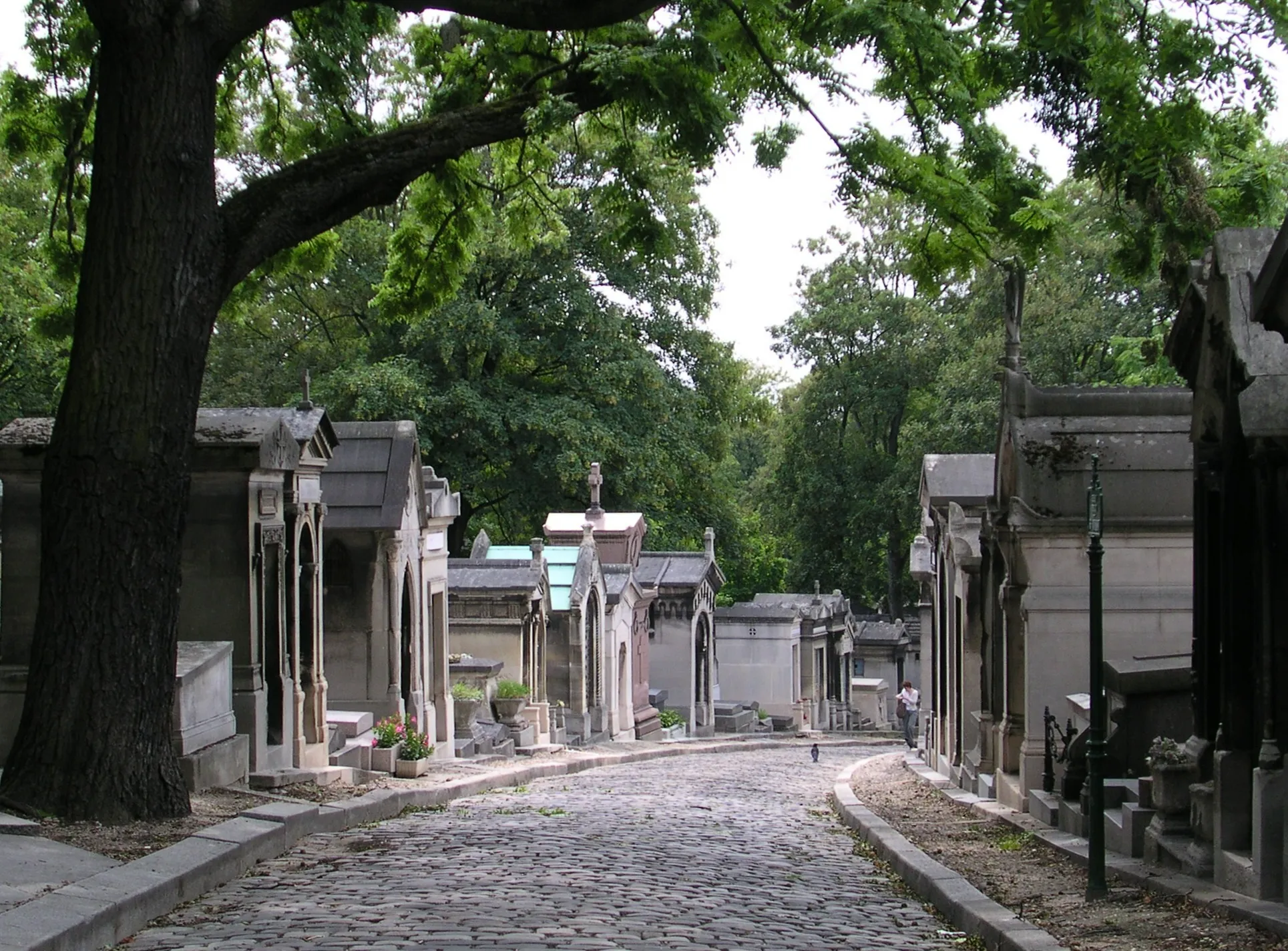
Paris’s Garden of Stories and Stones
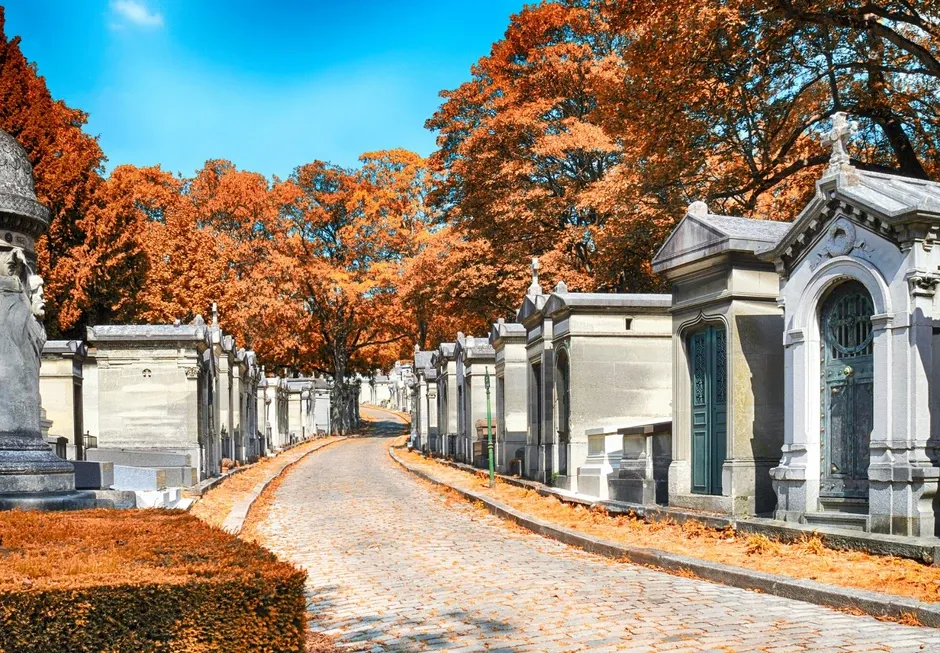
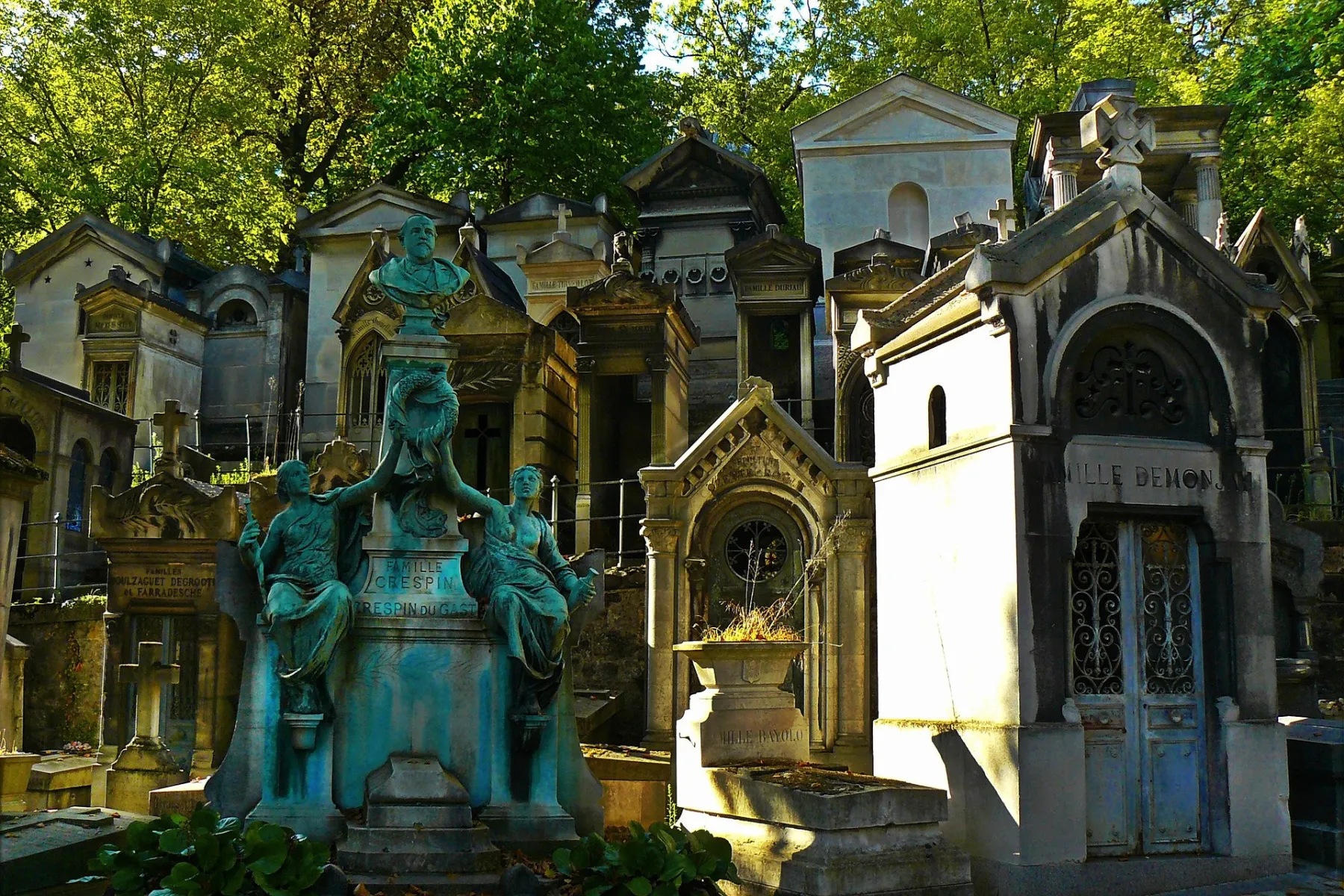
Père Lachaise is more than a cemetery — it is a landscape of remembrance where Paris writes its history across trees and terraces, sculptures and inscriptions.
Established in 1804 and named after Louis XIV’s confessor, Père François de La Chaise, it began modestly and grew into a beloved sanctuary by inviting the famous and the ordinary to share ground.
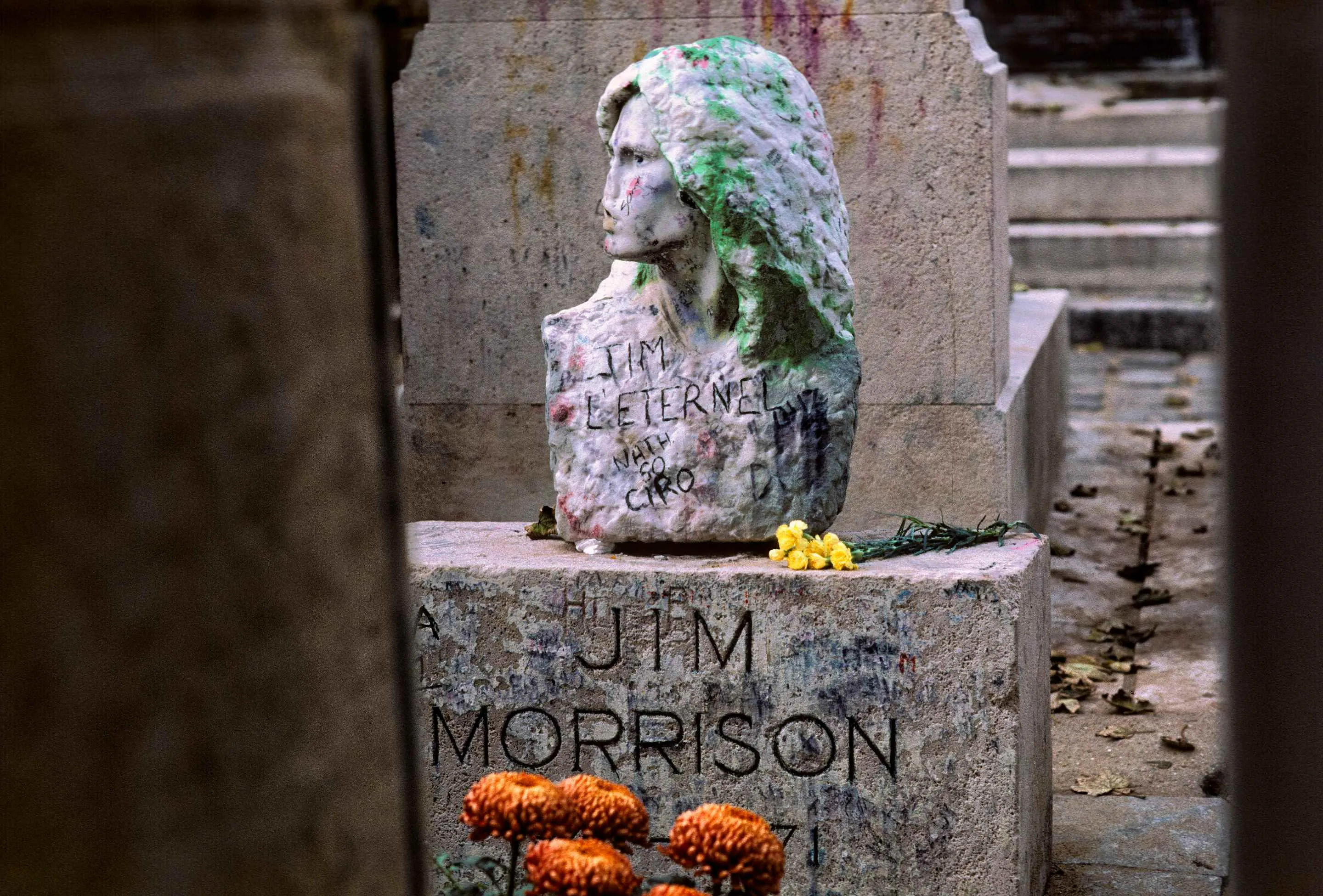
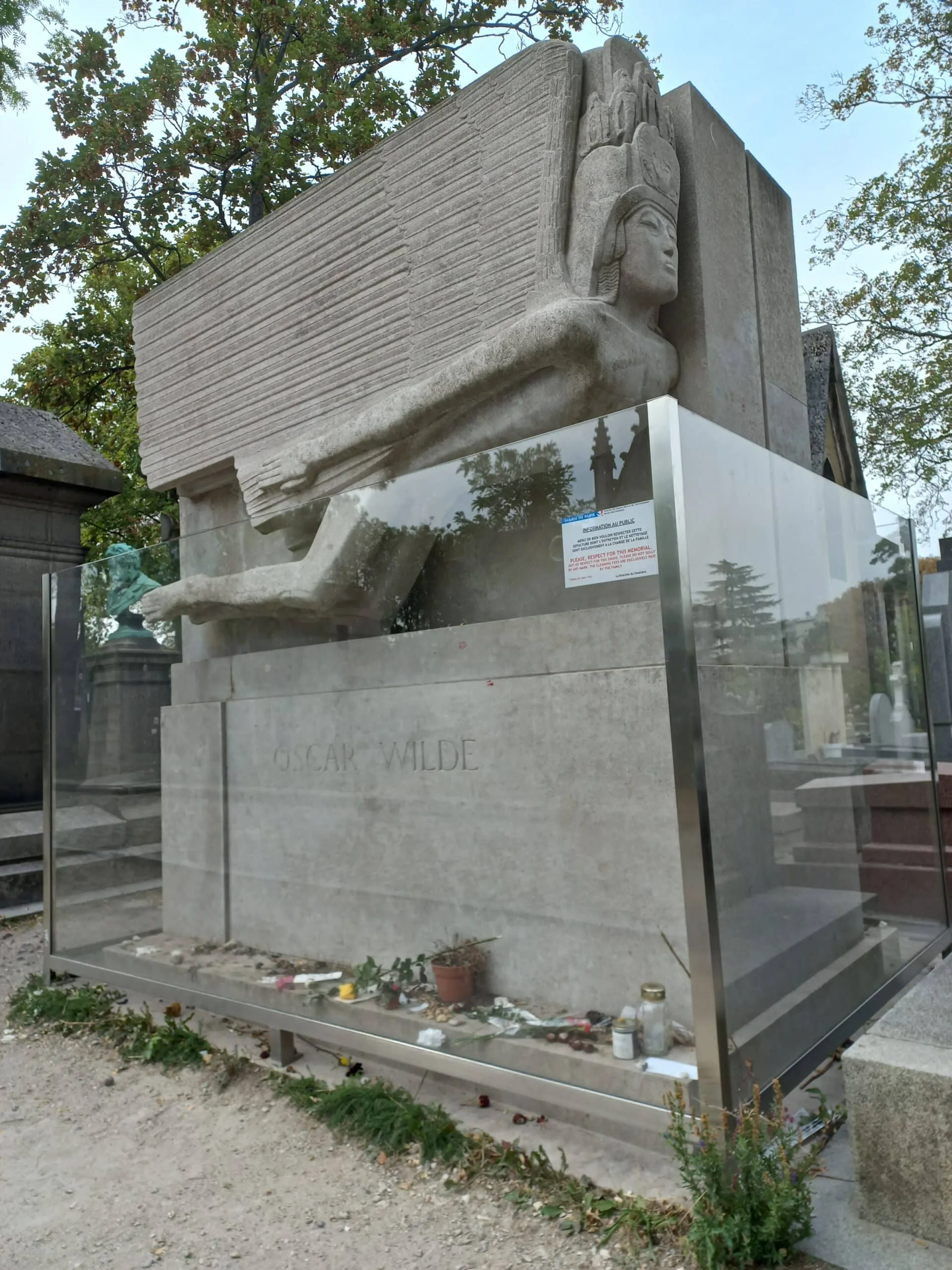
Today, wander past the glass-veiled tomb of Oscar Wilde, the flowers at Edith Piaf, the quiet poise of Chopin, and the pilgrimage to Jim Morrison.
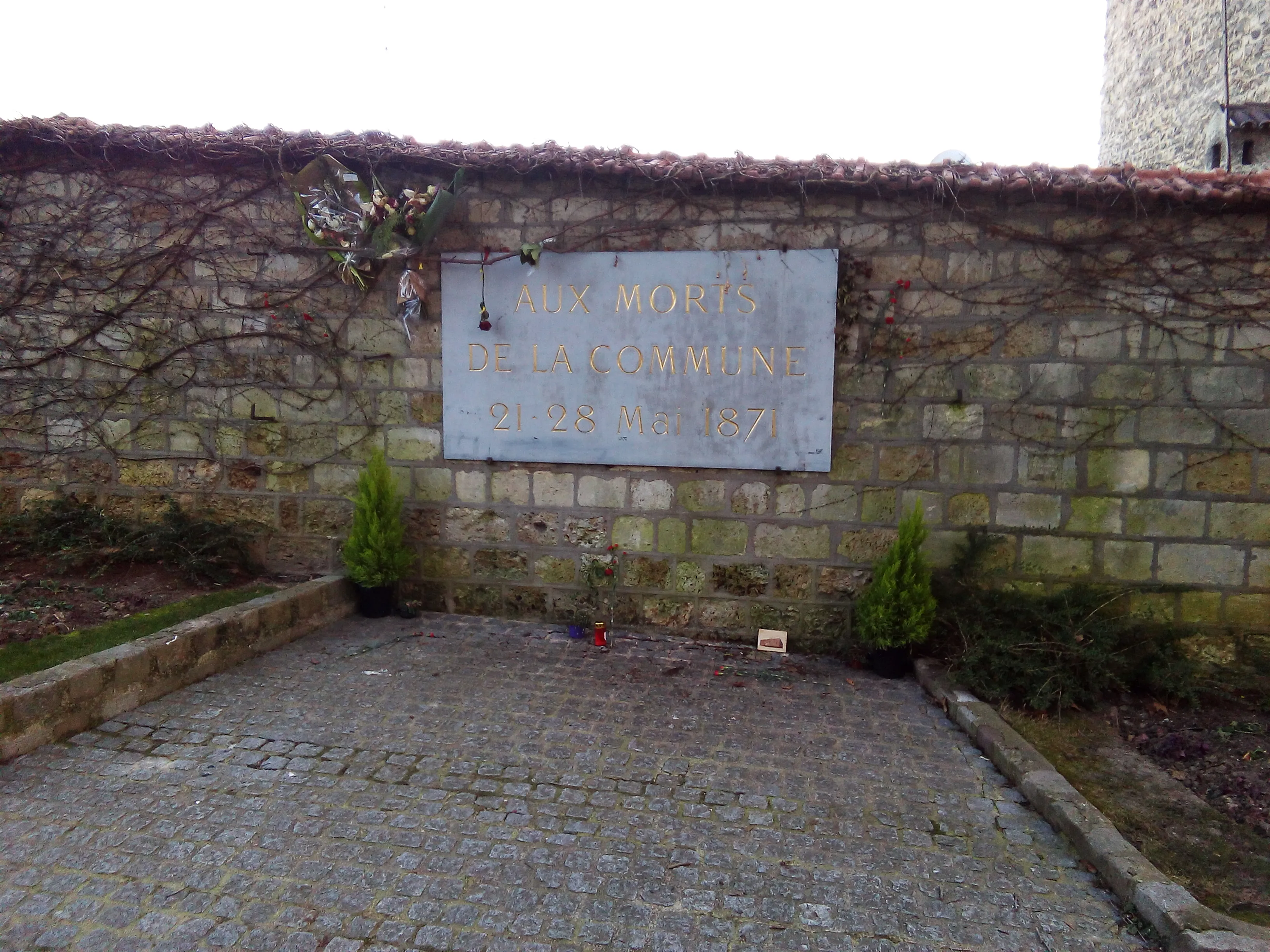
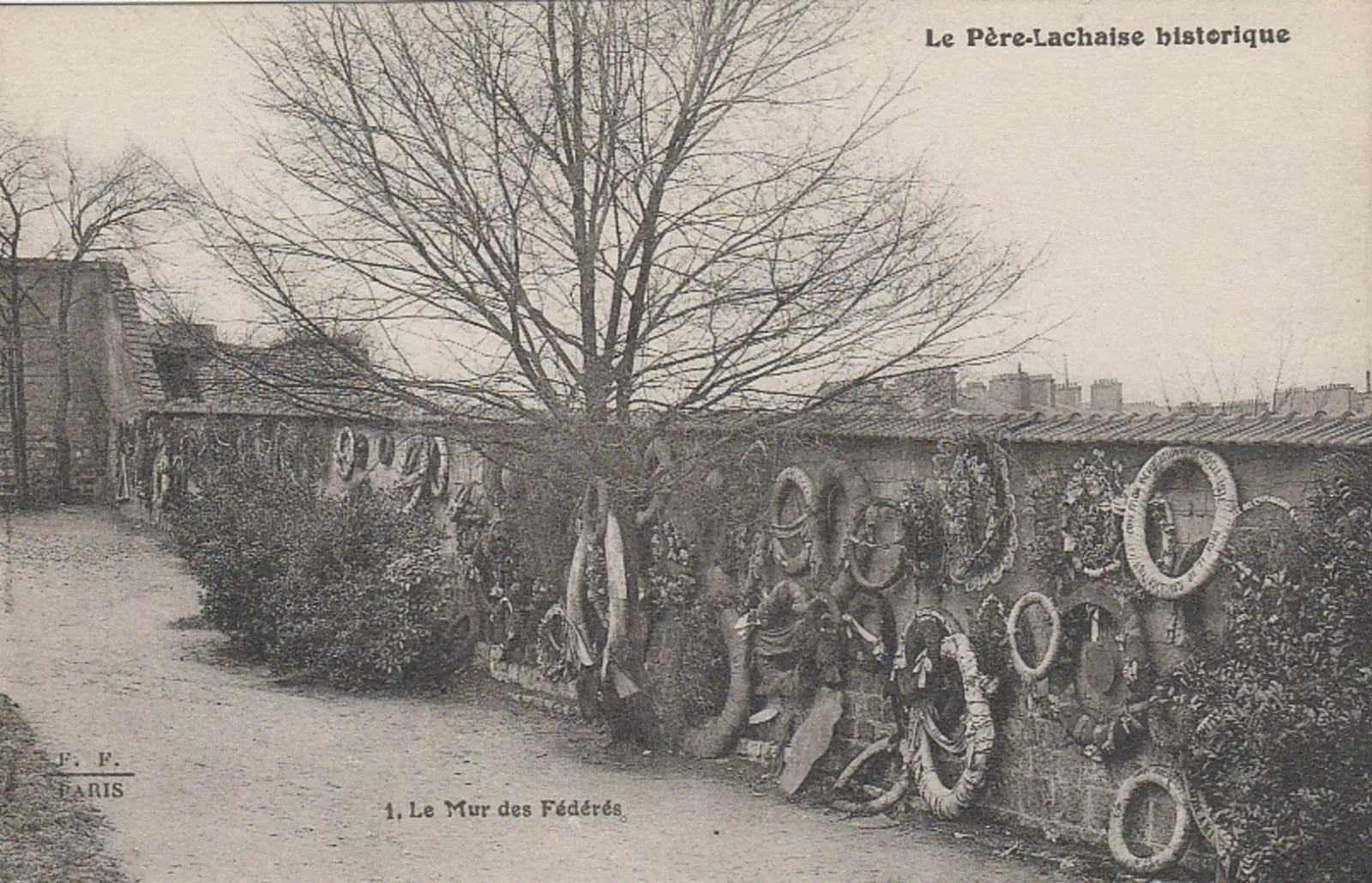
Seek Abelard and Héloïse beneath their canopy, trace the Mur des Fédérés where 1871 Communards met their fate, and pause at memorials to deportees and resistants.
The place is tender and complex: hope and grief, celebrity and anonymity, marble and moss, the city and its conscience.
It rewards time and curiosity — a walk where every turn offers another voice..
Père Lachaise Cemetery Visiting timetable
See the seasonal schedule below (hours vary by gate and daylight)
Père Lachaise Cemetery Closing Days
May close early in severe weather or for maintenance and ceremonies
Where is Located
16 Rue du Repos, 75020 Paris, France
How to Get to Père Lachaise
In Paris’s 20th arrondissement, Père Lachaise is served by multiple metro and bus lines with several gates along its perimeter.
By Train
Métro Line 2 (Philippe Auguste or Père Lachaise) and Line 3 (Gambetta) are the classic approaches. Enter at Gambetta for a downhill route toward the famous graves. Nearby buses (including 61 and 69) stop along the cemetery’s edges.
By Car
Driving in the area is possible but parking is limited and streets can be narrow. Public transport is simpler; if you drive, plan for nearby paid parking and allow extra time.
By Bus
Bus routes in the 20th arrondissement link to the cemetery’s gates. Check current timetables, as diversions occasionally occur during construction or events.
On Foot
From the metro, it’s a short walk to the gates. The cemetery is on a slope; comfortable shoes help, and a downhill itinerary from Gambetta is gentler.
Highlights of Père Lachaise
Discover iconic graves, evocative memorials, and leafy paths where Paris remembers its artists, rebels, lovers, and everyday lives.
Père Lachaise Cemetery
Oscar Wilde’s Tomb
A modern glass veil protects the winged monument to the Irish writer — a place of pilgrimage, reflection, and complicated devotion.
Mur des Fédérés
The wall where 147 Communards were executed in 1871 — a sober site of memory for labor movements, political struggle, and hope.
Jim Morrison’s Grave
Fans gather at a modest plot that became a global icon — a reminder of music’s long afterlife and the city’s tolerant stewardship.
Curiosities about Père Lachaise
Find answers to common questions about famous graves, etiquette, routes, and the memorials that shape this remarkable place.
Book a guided tour of Père Lachaise
Entry is free; tours add context, stories, and efficient routes.
Reserve in advance on busy days for the most engaging experience.